
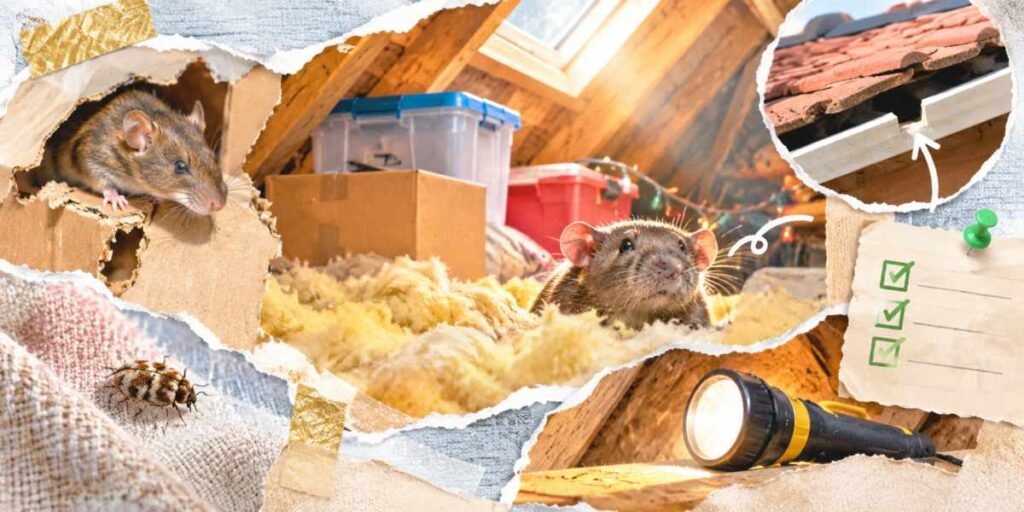
For rats, mice and various insects, loft spaces offer something remarkably valuable: privacy. Add warmth, insulation and plenty of hiding places, and you have the equivalent of a luxury hotel where nobody ever asks guests to check out.
Insulation Makes Excellent Accommodation
Modern loft insulation helps homeowners reduce heating bills, but it can also provide excellent nesting material for rodents. Fibreglass and mineral wool insulation create sheltered spaces where mice and rats can establish nests away from everyday household activity.Rodents may tunnel through loose insulation, compress sections or gather softer materials to construct nests. This activity can reduce insulation effectiveness, potentially increasing heat loss and household energy costs.
Mice are particularly adept at exploiting small openings. A gap approximately the width of a pencil can be sufficient for a mouse to squeeze through, while rats require somewhat larger openings. Gaps around rooflines, ventilation openings and damaged soffits can provide convenient access.
Unfortunately, rodents rarely appreciate the distinction between building materials and nesting supplies. Insulation, cardboard and even electrical cable coverings can become part of their home improvement projects.
Cardboard Boxes Are More Than Storage
Most lofts contain possessions that have gradually migrated upstairs: Christmas decorations, old clothes, children’s toys and mysterious boxes nobody remembers packing.Cardboard boxes are particularly attractive to certain pests because they provide shelter, nesting material and numerous concealed spaces. Mice can chew through cardboard, while insects may hide among stored fabrics, paper and packaging.
Carpet beetle larvae, for example, can damage natural fibres such as wool, silk and feathers. Clothing stored undisturbed for extended periods may be vulnerable, especially when boxes contain materials contaminated with dust, hair or other organic debris.
Replacing cardboard with sturdy plastic storage containers featuring secure lids can help protect belongings. Keeping containers organised and slightly separated also makes inspections easier. That box labelled “miscellaneous cables 2004” probably deserves an inspection anyway.
Silence Is a Pest’s Best Friend
Kitchens are busy environments. People switch on lights, move furniture, prepare meals and regularly disturb potential hiding places. Lofts, by contrast, might remain untouched for months.This lack of disturbance allows pests to establish themselves without attracting attention. Nocturnal rodents can move around freely during the night, while certain insects develop unnoticed among stored possessions.
Temperature also matters. Warm air rising from occupied rooms can make some loft spaces relatively comfortable during colder months, particularly where heat escapes through ceiling gaps. However, lofts can become extremely hot during summer, so conditions vary considerably between properties.
A loft does not necessarily need a readily available food supply to attract rodents. Animals may travel elsewhere to feed before returning to the relative security of their nesting areas.
Warning Signs Above Your Head
Pest activity in lofts often goes unnoticed until an infestation becomes established. Fortunately, several warning signs can reveal problems before they develop into something more serious.Scratching, scurrying or gnawing noises are common indicators of rodent activity, particularly during the evening and early morning. However, sounds alone cannot reliably identify the culprit. Birds, squirrels and even expanding building materials can produce surprisingly convincing impressions of mice rearranging furniture.
Other warning signs include droppings, damaged insulation, shredded paper, gnaw marks and unusual smells. Rodent urine can produce a persistent ammonia-like odour, while a dead animal trapped within a roof cavity may cause an increasingly unpleasant smell.
Dark smears along beams or frequently used routes can also indicate rodent movement. These marks develop when oils and dirt from animals’ fur accumulate on surfaces over time.
Inspecting Your Loft Without Becoming a Casualty
Inspecting a loft requires more caution than opening a kitchen cupboard. Many lofts have exposed joists, limited lighting and areas of ceiling plasterboard that cannot support a person’s weight.Before entering, ensure there is adequate lighting and a stable access ladder. Only walk on properly installed boarding or confirmed load-bearing surfaces. Never assume that insulation conceals a solid floor.
Use a torch to examine accessible areas around roof edges, stored belongings and insulation. Look for disturbed materials, droppings and visible gaps where pests might enter.
Avoid touching droppings, nests or contaminated insulation. Do not sweep or vacuum suspected rodent waste, as this can disperse potentially harmful particles. Significant contamination should be assessed and cleaned using appropriate protective procedures.
If the loft contains exposed wiring, damaged electrical cables or suspected asbestos-containing materials, leave further investigation to suitably qualified professionals.
Making Your Loft a Less Desirable Address
Prevention begins with reducing opportunities for pests to enter and establish themselves. Inspect accessible roofline areas for damaged tiles, gaps around pipes, deteriorating soffits and poorly protected ventilation openings.Suitable rodent-resistant materials can help seal entry points, although active infestations should be addressed before openings are permanently closed. Otherwise, animals may become trapped inside or create new escape routes.
Keep stored belongings in sealed containers, avoid accumulating unnecessary cardboard and inspect natural-fibre clothing periodically. Outside, trimming vegetation away from rooflines and securing rubbish containers can reduce opportunities for pests to approach the building.
Ventilation openings should remain functional, with appropriate pest-resistant mesh where necessary. Blocking ventilation indiscriminately can create condensation problems that introduce an entirely different set of household headaches.
No Room at the Loft
An occasional inspection can make a considerable difference. Checking the loft every few months, particularly before winter, helps identify damage and potential pest activity while problems remain manageable.Persistent noises, fresh droppings or evidence of nesting warrant professional assessment, especially when rodents may have damaged electrical wiring or contaminated insulation.
Your loft should be somewhere to store forgotten possessions, not somewhere an expanding rodent family establishes permanent residence. After all, the mortgage is expensive enough without providing free accommodation to tenants who chew through the wiring.
Article kindly provided by rodentx.co.uk